


LADAKH APRICOT BLOSSOM PHOTOGRAPHY WORKSHOP 2027
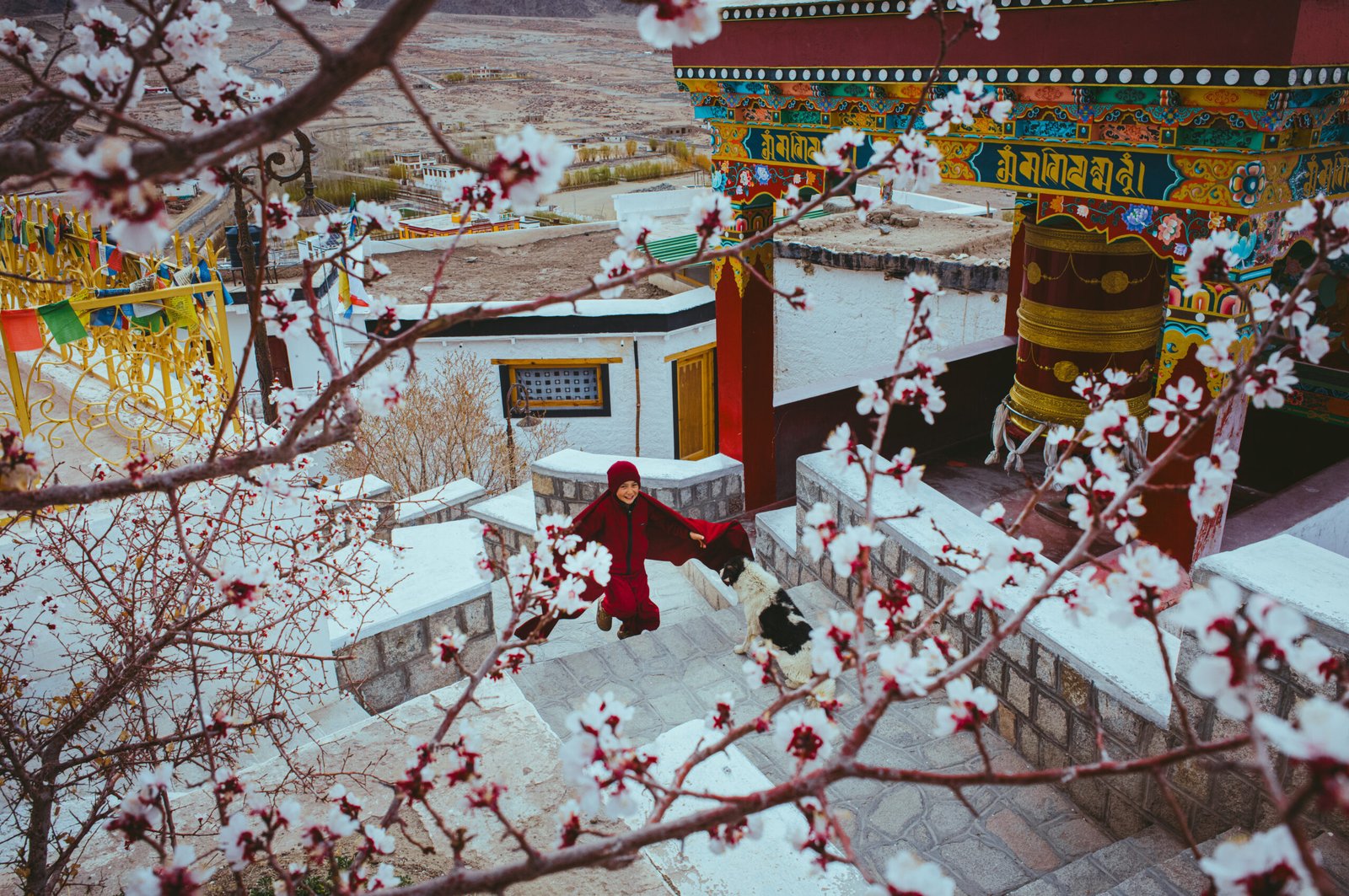
Once a year, for barely two weeks, the orchards of Ladakh turn the colour of dawn. Apricot trees that have stood bare through a brutal winter erupt almost overnight into clouds of pink and white blossom, and in the village of Turtuk, this fleeting bloom is met with music, dancing and days of celebration at the Apricot Blossom Festival — one of the most photogenic, least-documented festivals anywhere in the Himalaya.
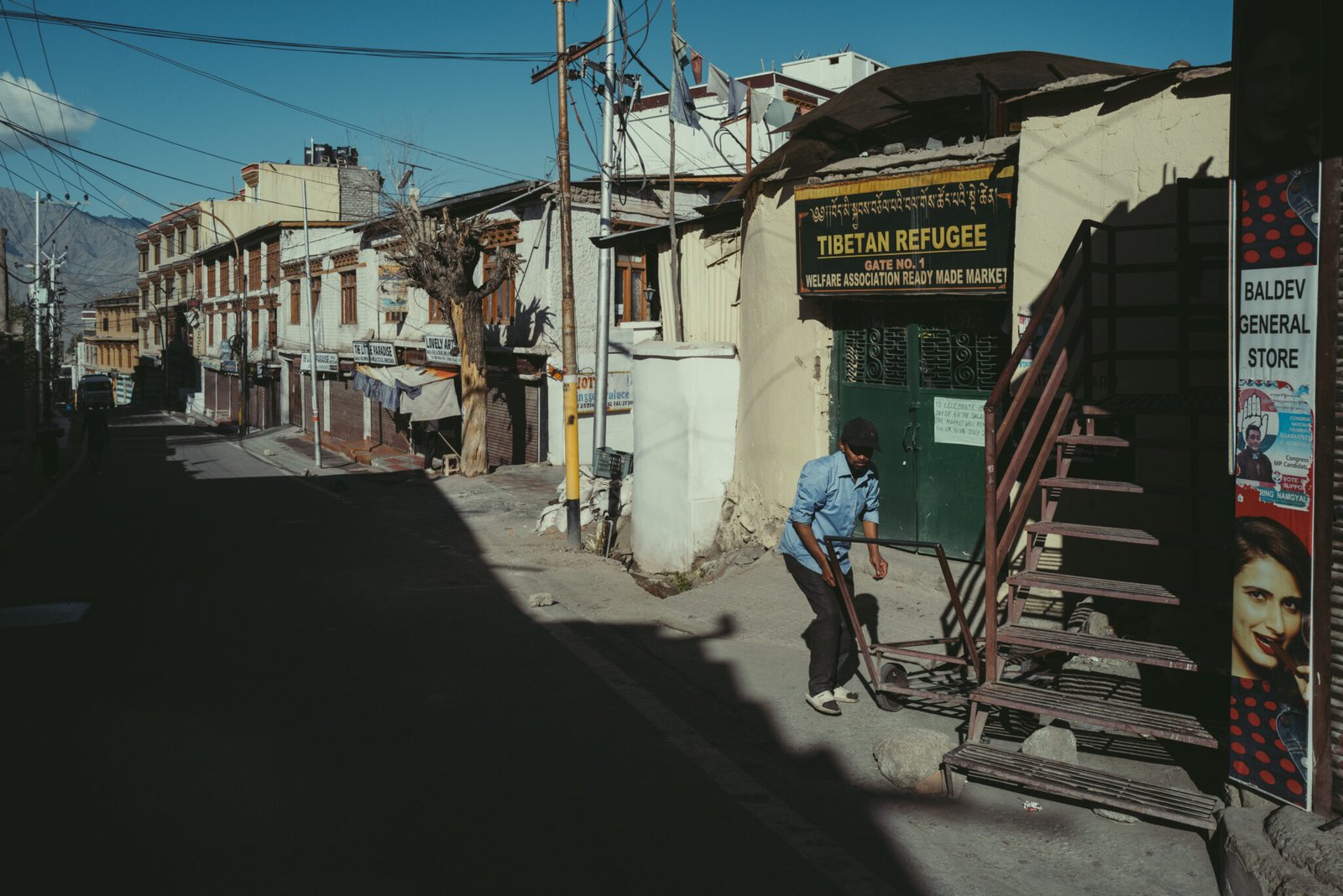
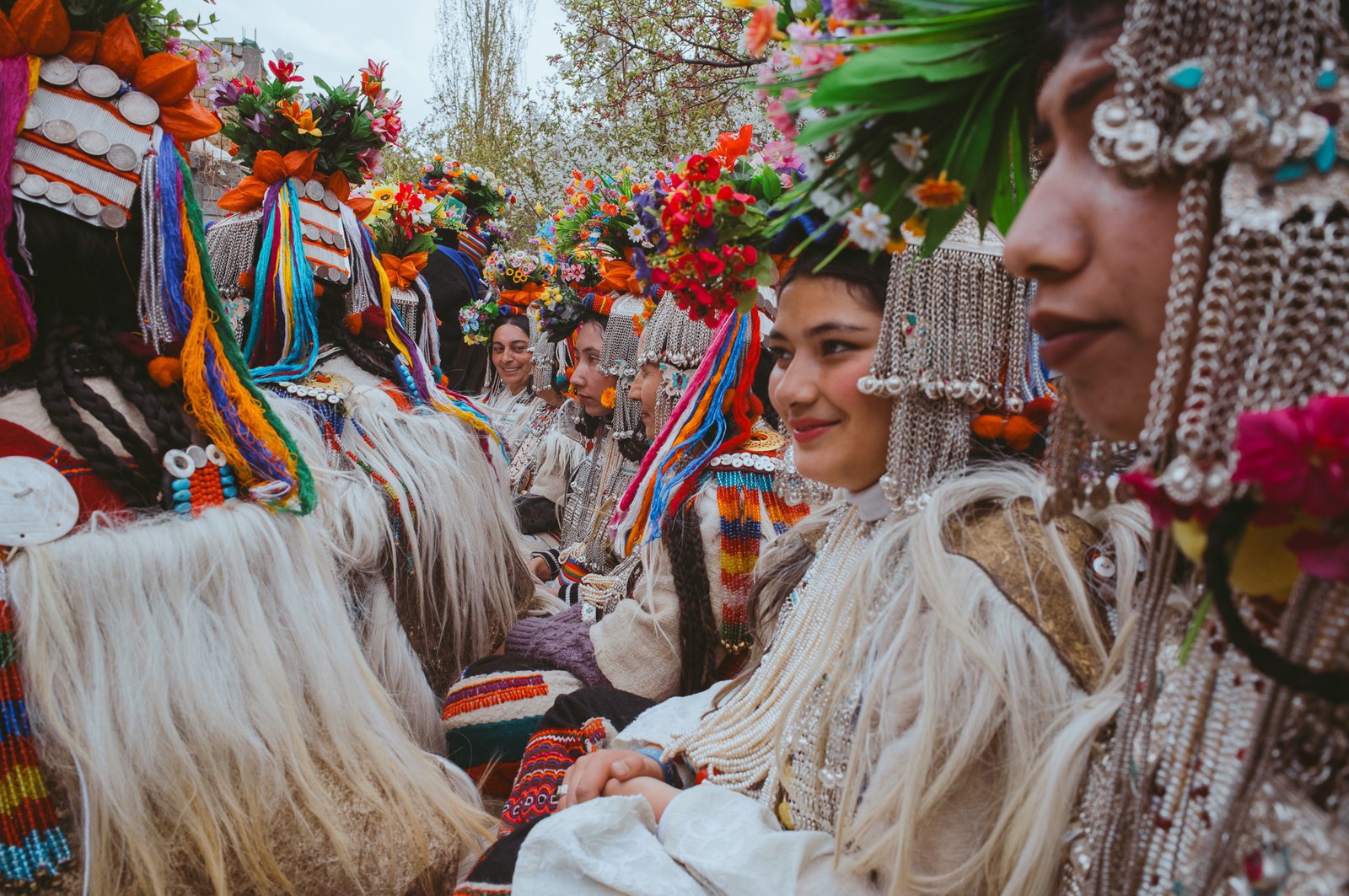
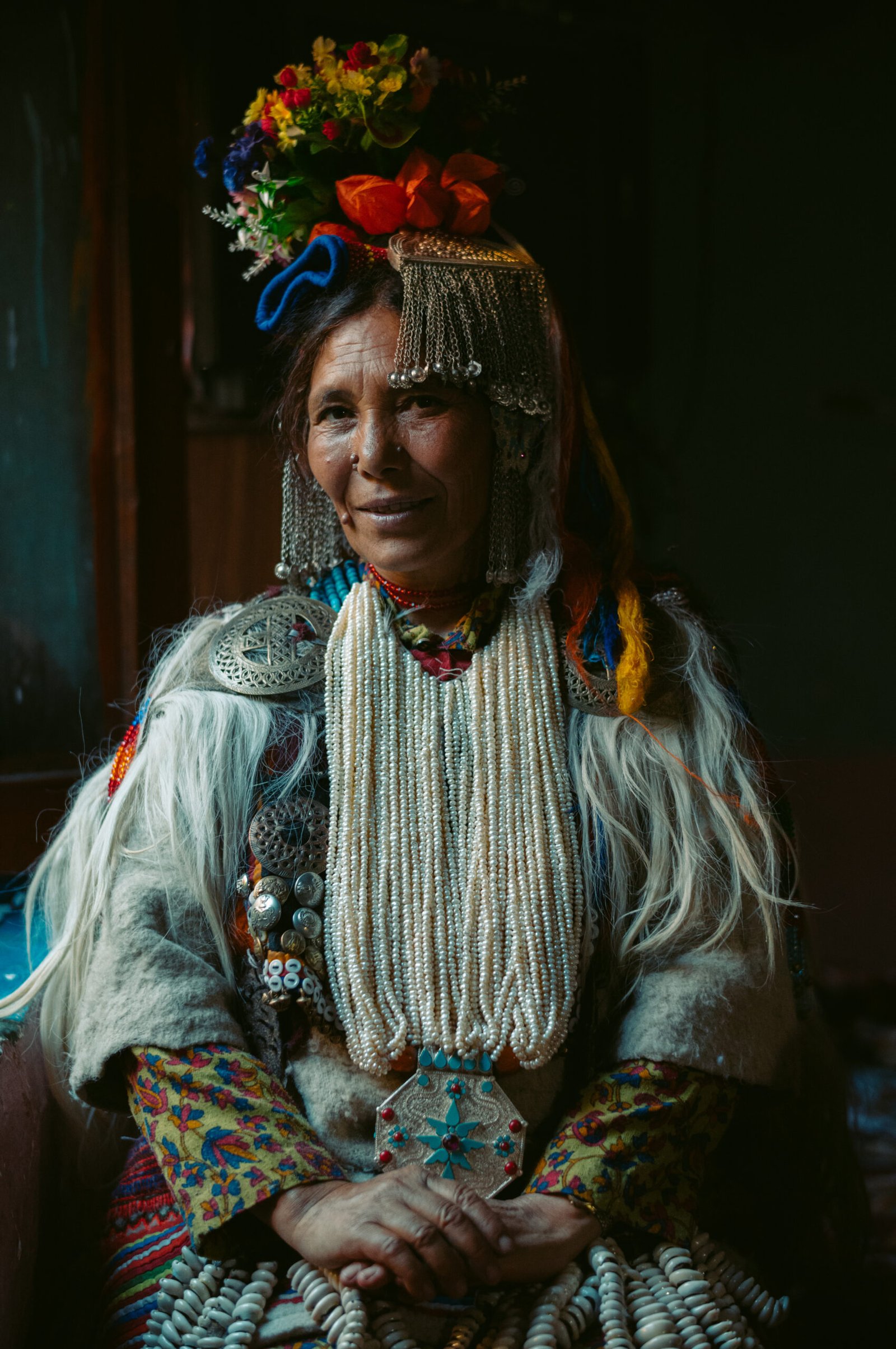
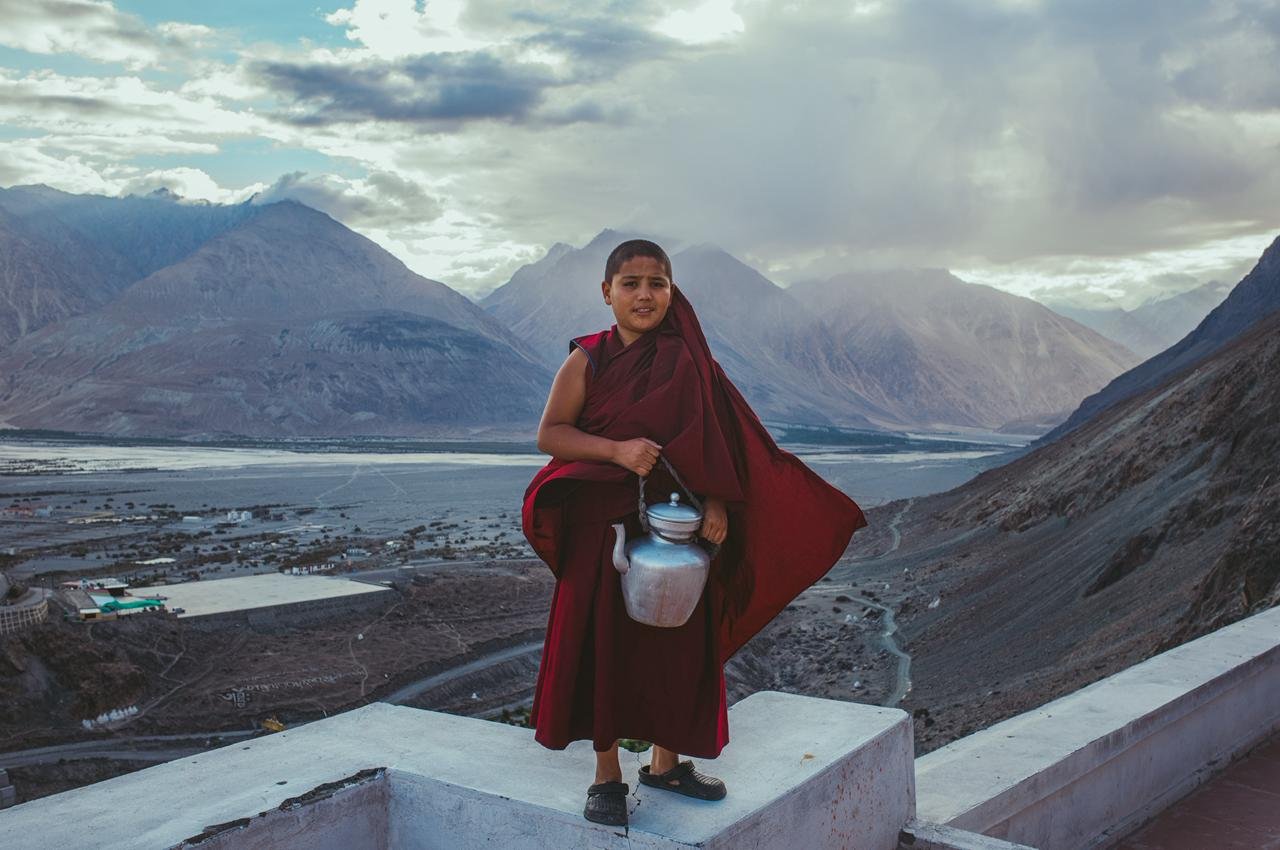
Ladakh itself sits in India’s remote trans-Himalayan north, a high-altitude desert wedged between Pakistan and Tibet, where most inhabited ground lies above 10,000 feet. It is a land of extremes: whitewashed Buddhist monasteries perched on cliff edges, the flower-crowned Brokpa people of Aryan Valley, and the Balti communities of Turtuk and Tyakshi, whose villages remained cut off from the rest of Ladakh for decades. This photographic workshop is built entirely around that one brief, blossoming season — eleven days spent moving between monasteries, orchards and festival lanes, photographing a landscape and a celebration that very few travellers ever time their visit to see.
General Information
- Date: 9th April to 19th April 2027 (11 Days / 10 Nights)
- Price: USD 5,995/-
- The price is inclusive of all taxes.
- Group Size: Maximum 4
- Photographers of any skill level are welcome to join this expedition.
- The physical difficulty of the expedition is rated as easy to moderate.
- A deposit of USD 2000/- is required to secure a spot on the tour.
- After the deposit, the balance due is to be paid 90 days before the trip.
- Make sure to read the [Terms & Conditions] before booking
Only 2 spots left
Day-1 (9th April)
Arrival in Delhi
The journey begins the moment you land in Delhi, India’s sprawling, endlessly photogenic capital and the traditional gateway to the Himalaya. You’ll be met on arrival and transferred to your hotel, where the rest of the day is left free and unhurried — time to recover from your international flight, settle in, and shake off the travel before the mountains begin.
In the evening we’ll come together for a welcome dinner: a first chance to meet your fellow travellers, talk through what lies ahead, and ease into the rhythm of the trip before an early start tomorrow for the flight into Leh.
Day-2 (10th April)
Arrival in Leh and Acclimatisation
You’ll land in Leh after a short, genuinely spectacular flight from Delhi. From the airport we go straight to the hotel, and that’s more or less it for the day. We don’t put anything else on the schedule, and that’s on purpose: no sightseeing, no photography, nothing to chase. Leh sits high enough that your body genuinely needs a day to catch up, and skipping this is the most common reason people struggle later in the trip. So drink water, nap if you feel like it, maybe step out for a slow walk once you’re up to it.
Day-3 (11th April)
Leh to Garkhone, Entering Aryan Valley
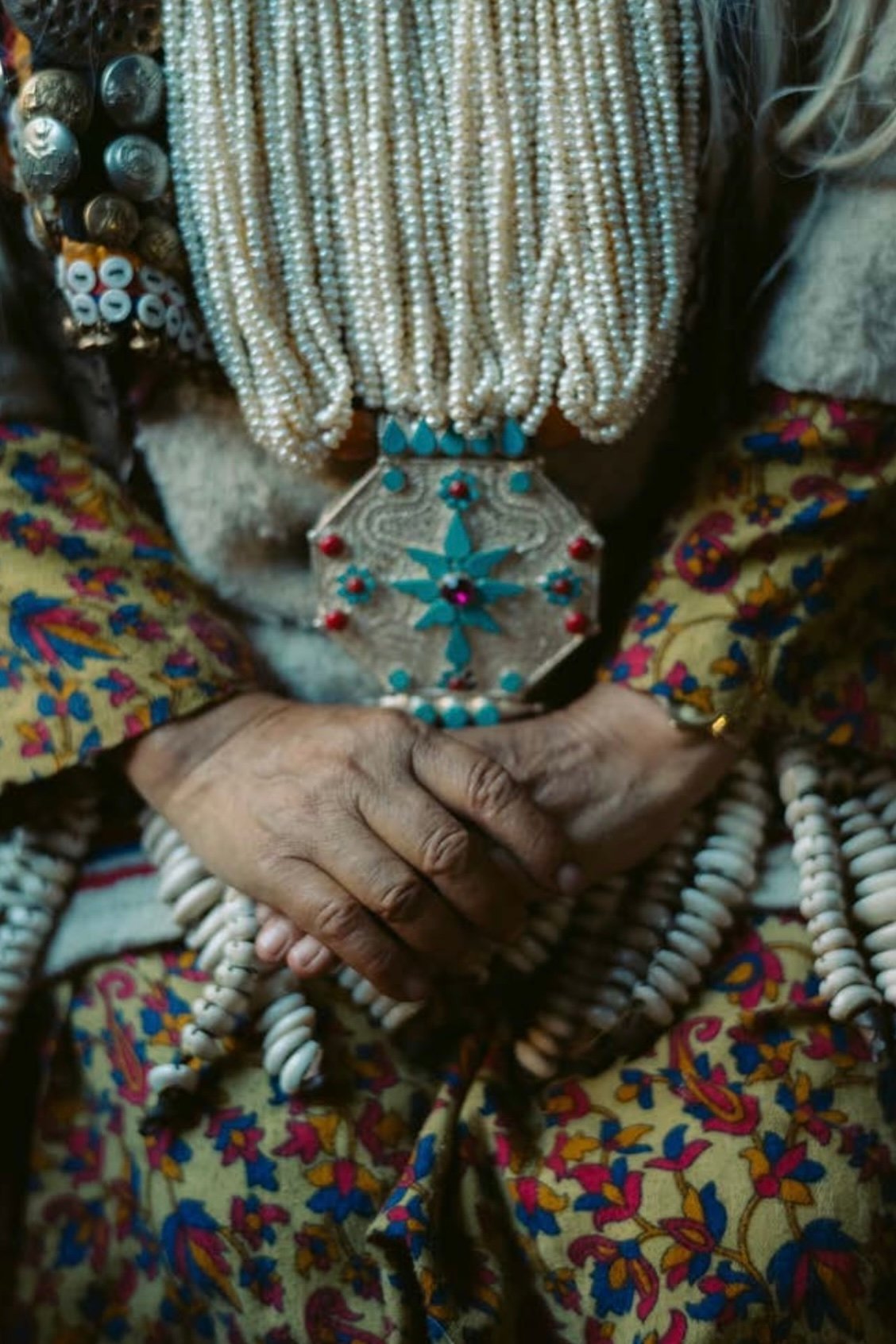
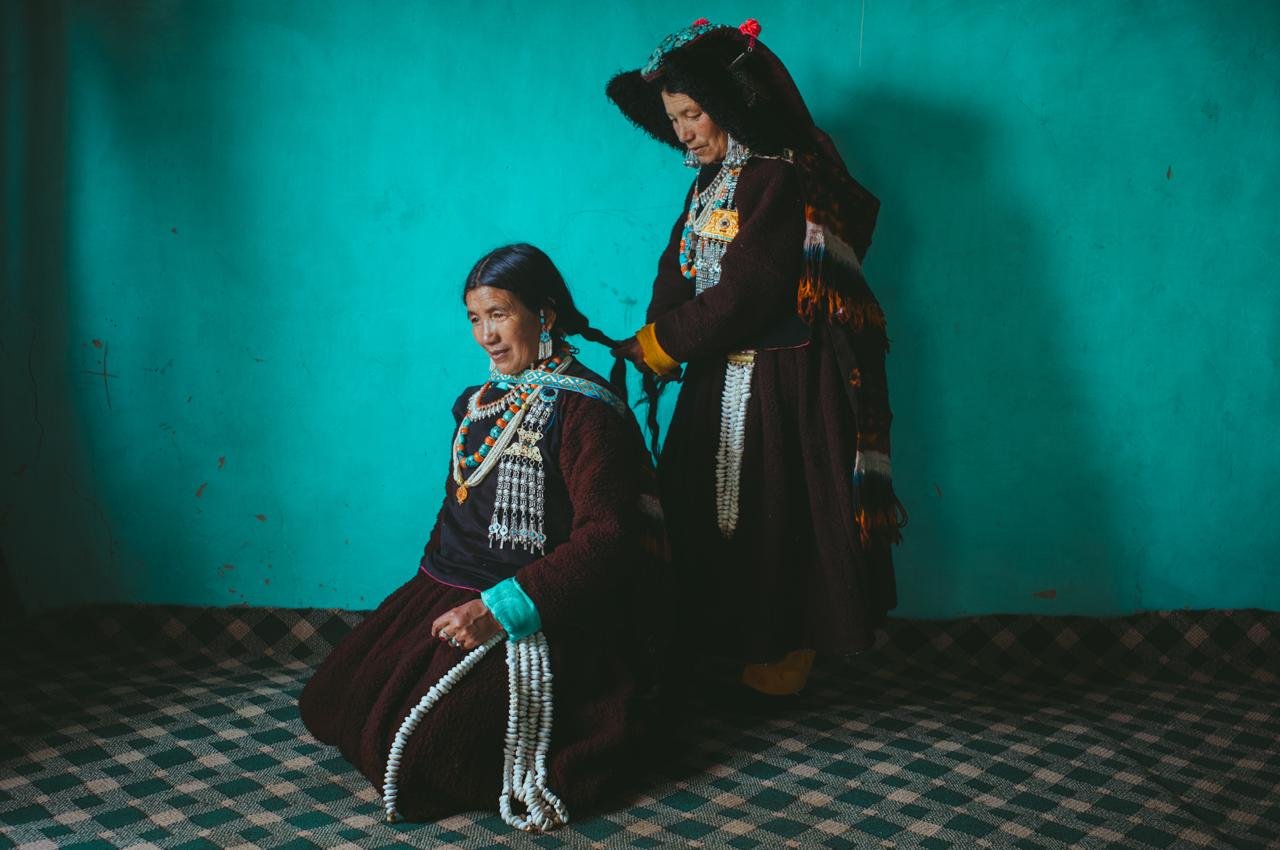
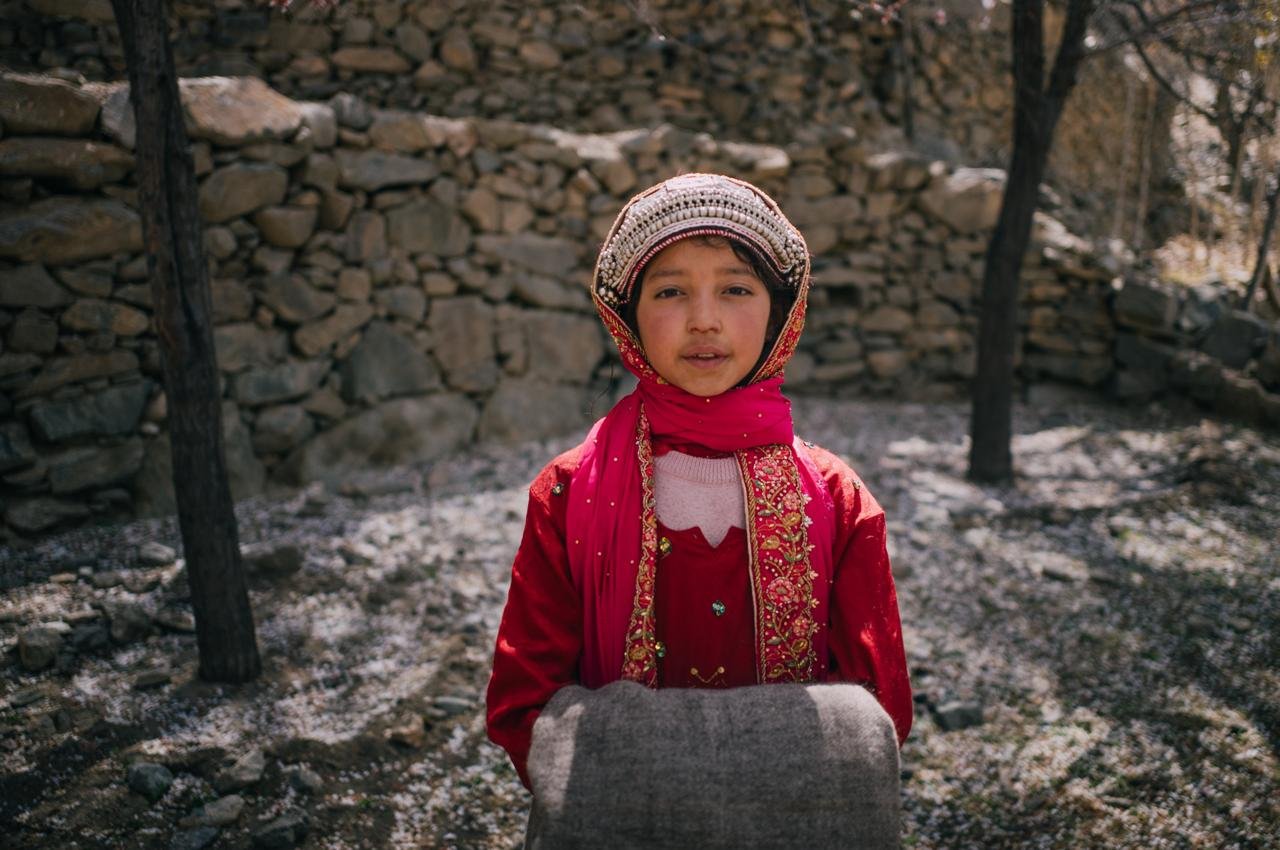
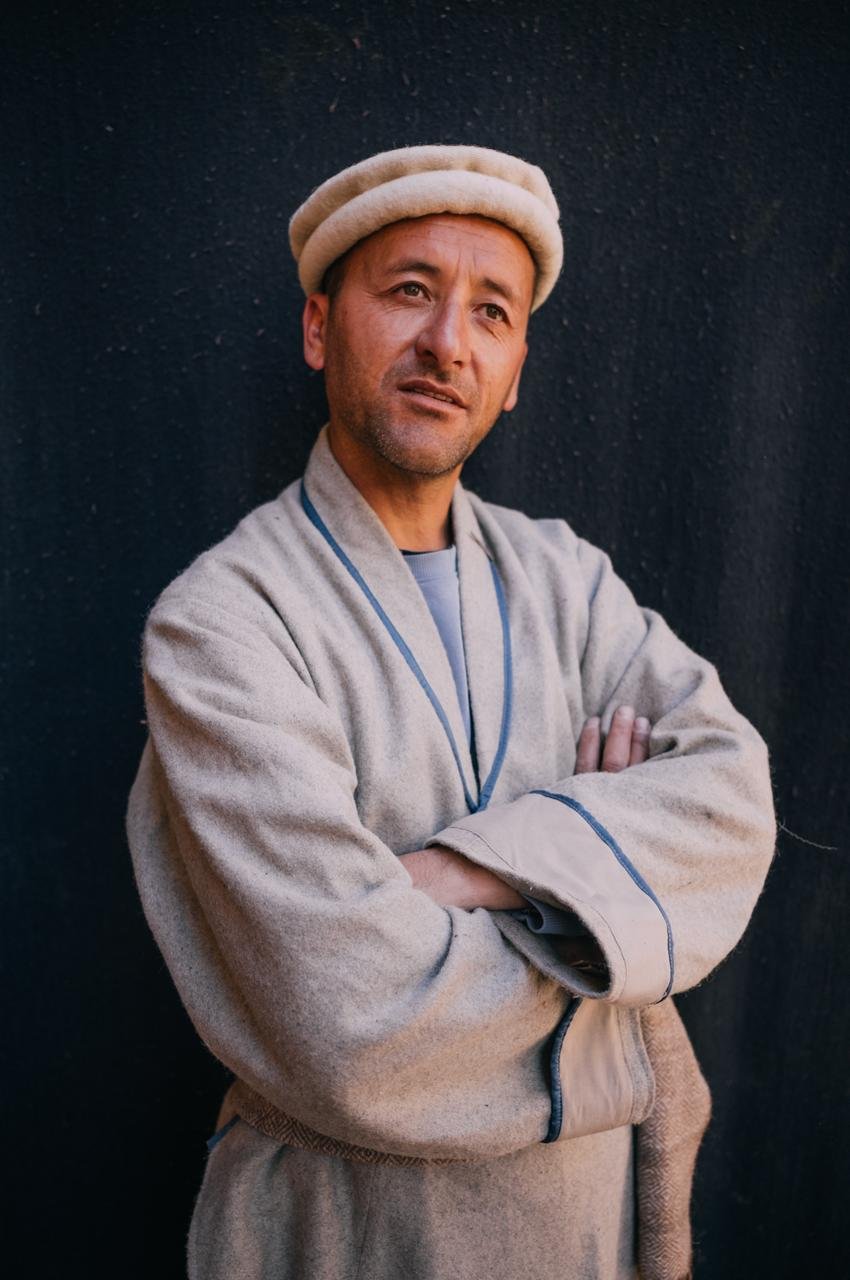
After breakfast we leave Leh behind and follow the Indus downstream, the road tracing a corridor of stark cliffs and river-cut gorges before the valley suddenly softens into terraced orchards and stone-walled villages. This is Aryan Valley, home to the Brokpa — a small, distinct community whose ancestry, dress and customs set them apart from the rest of Ladakh, and whose flower-crowned headdresses and richly layered beliefs have long drawn the curiosity of anthropologists and photographers alike.
We arrive in Garkhone by afternoon and, if timing allows, take our first relaxed walk through the village and its apricot orchards — trees just beginning to foam into pink and white blossom, a fleeting seasonal gift that only a narrow window in April makes possible.
Day-4 (12th April)
Garkhone, Brokpa Community & Apricot Blossoms
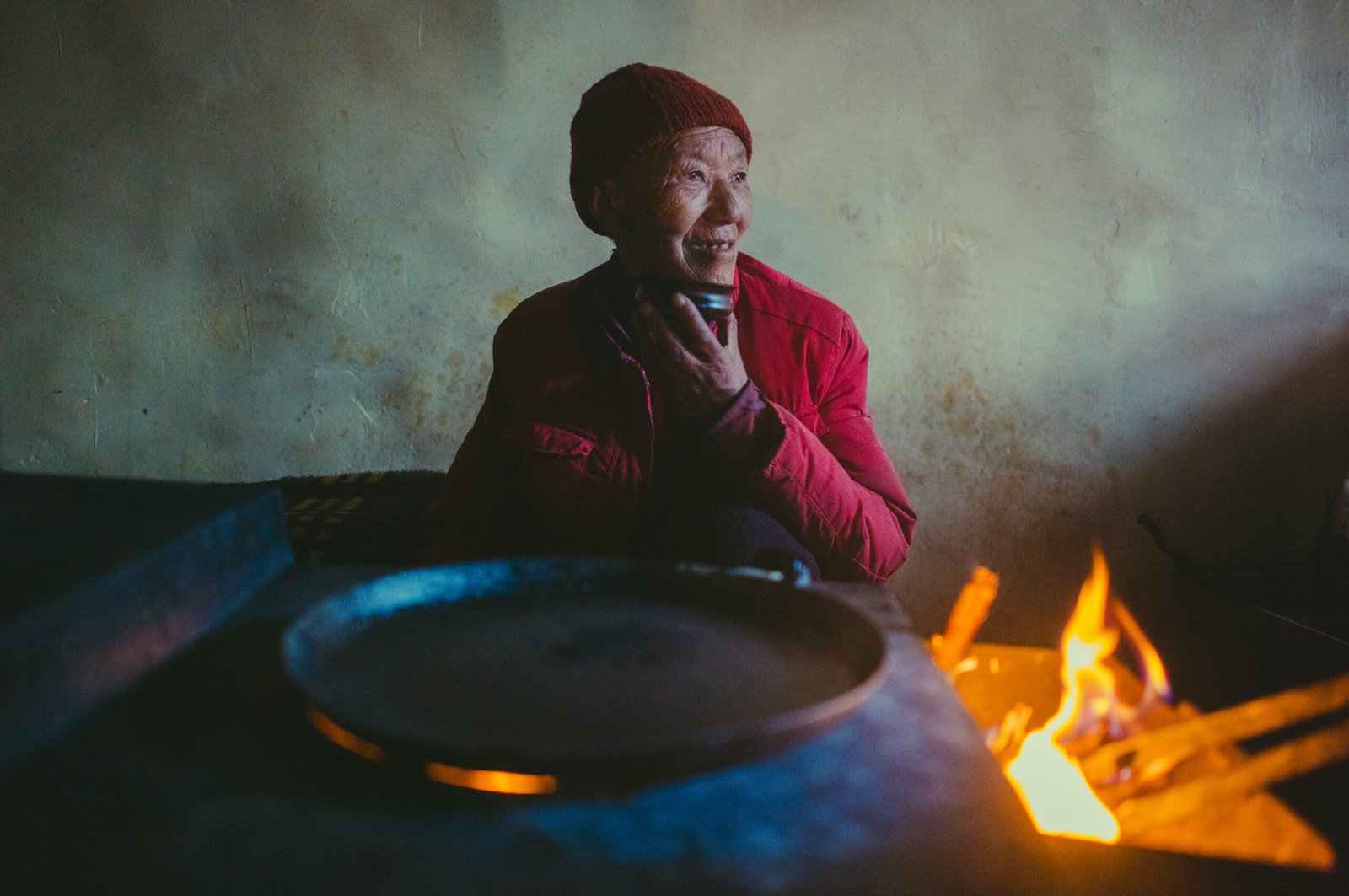
A full day is set aside here, deliberately unstructured. Rather than moving from sight to sight, we slow to a documentary pace — sitting with Brokpa families in their courtyards, sharing tea, and letting genuine access build in its own time rather than being rushed for the sake of a shot list.
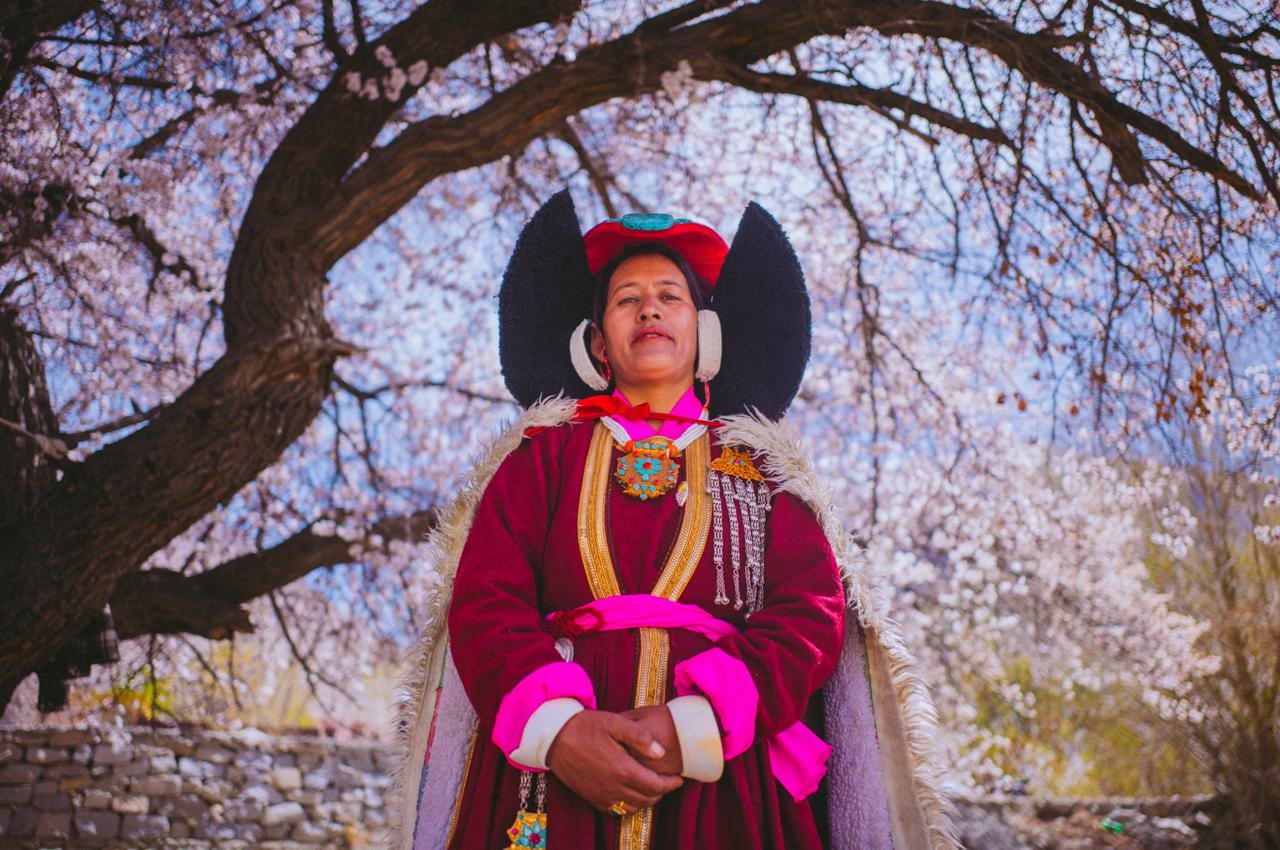
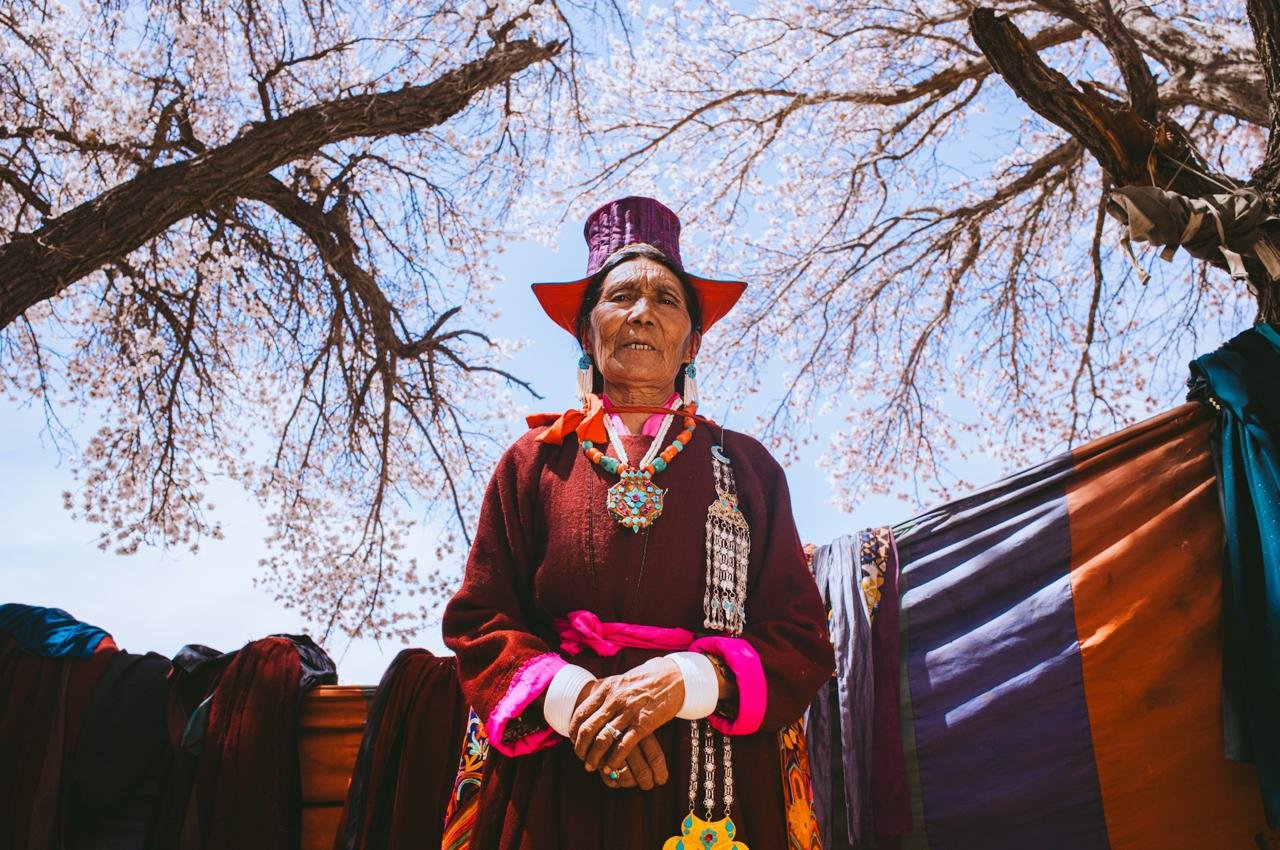
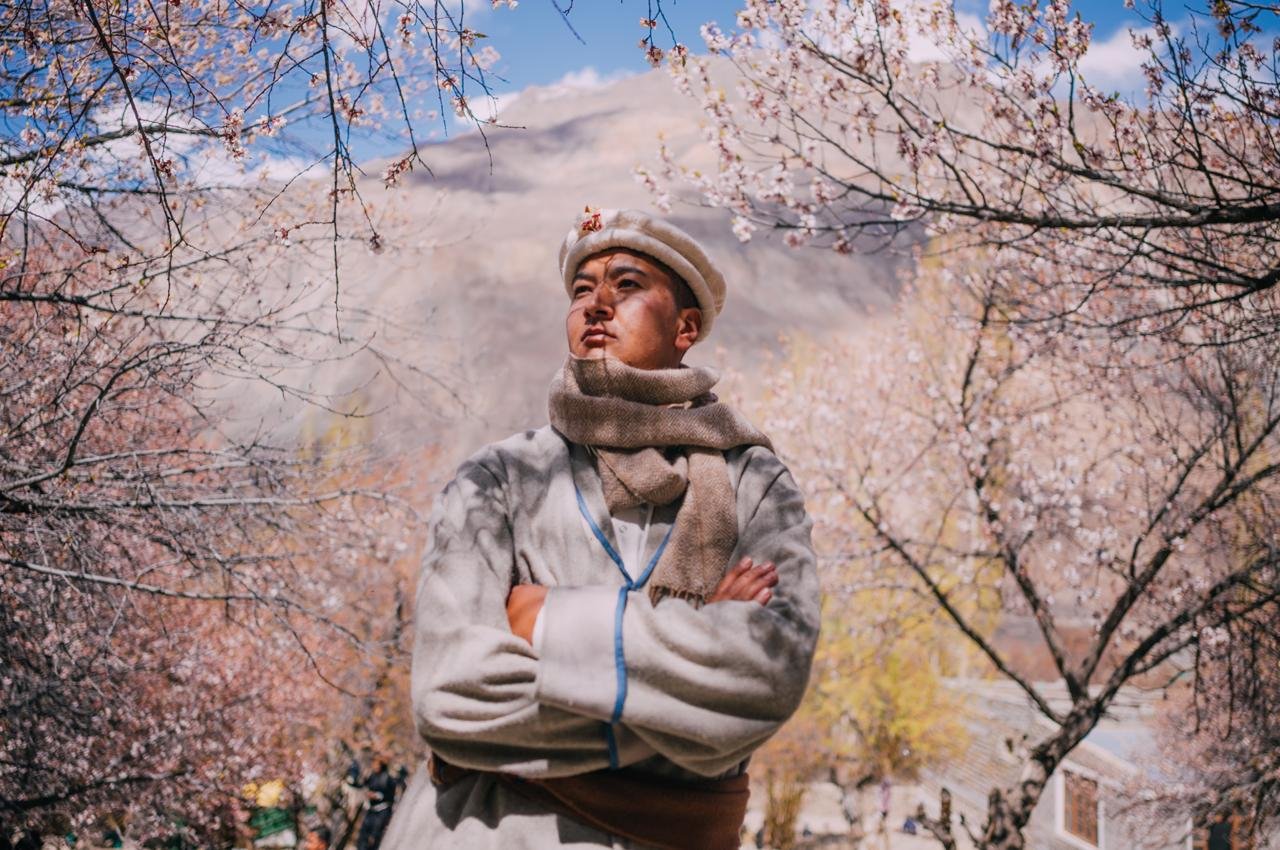
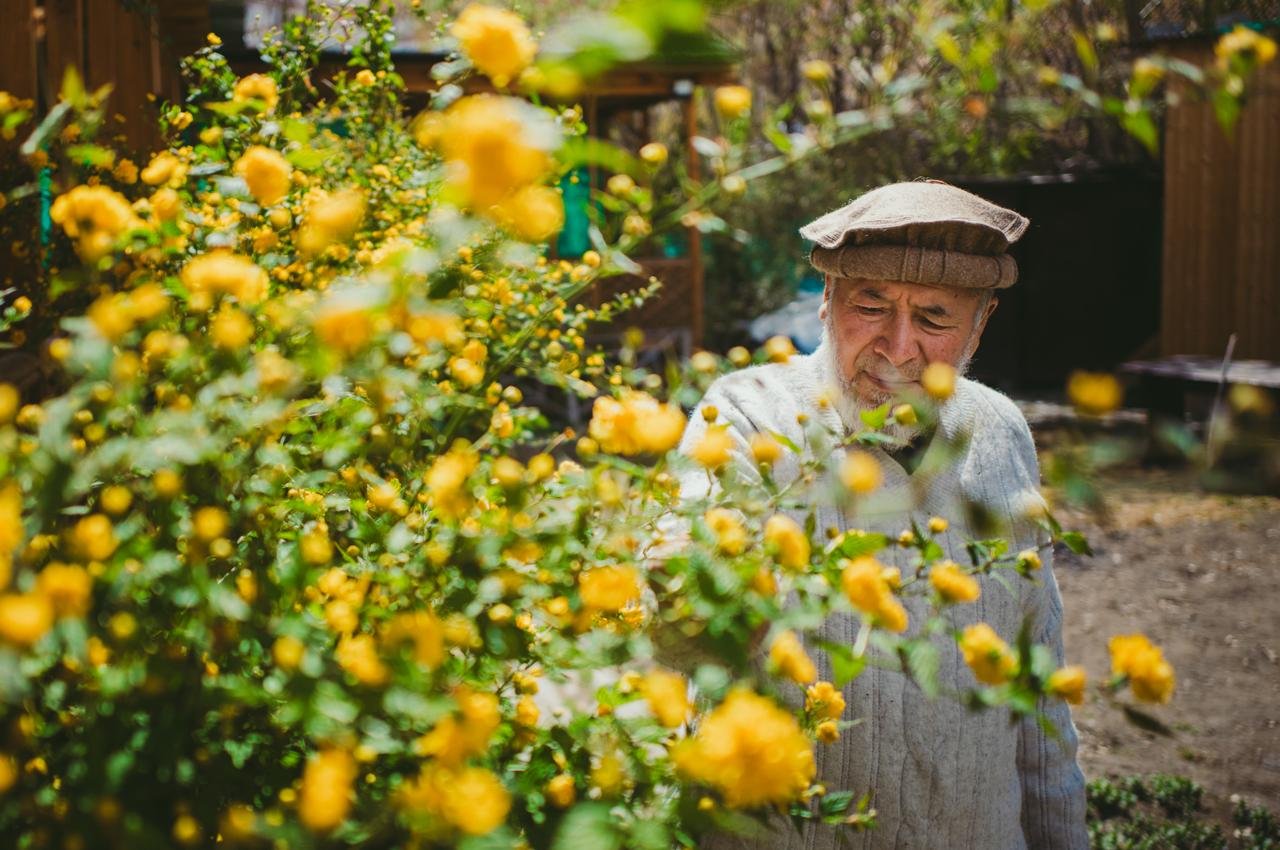
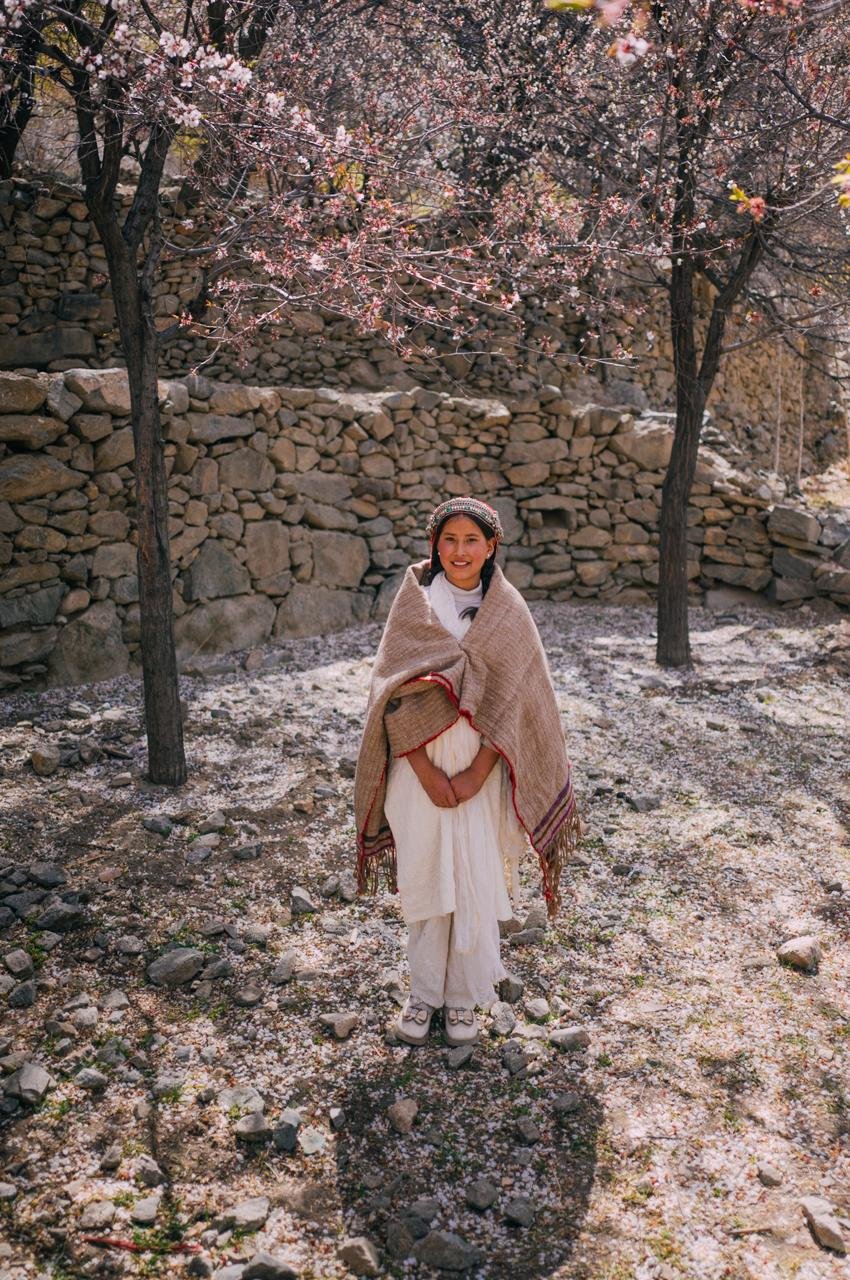
The orchards around Garkhone become our backdrop: white-and-pink canopies against mud-brick walls and distant snow peaks, with village life — children, elders in traditional dress, everyday chores — unfolding in the foreground. The aim on this day is not coverage, but depth: images that come from time spent, not time saved.
Day-5 (13th April)
Aryan Valley, Dah & Darchik
A second day in Aryan Valley gives us room to breathe and to follow the blossom wherever it is peaking. Depending on conditions, we push further along the valley to Dah and Darchik, two more Brokpa settlements even less visited than Garkhone, where terraced fields drop toward the Indus and daily life continues largely unwatched by the outside world.
This flexibility is by design. Apricot blossom is a moving target, and having a second day in the valley means we are never forced to leave before the light, the blossom or the story is at its best.
Day-6 (14th April)
Drive Back to Leh & Leisure Day
We rise early for one last photography session in Aryan Valley while the morning light is soft and the village only just waking, before turning the vehicles back toward Leh. The drive retraces the Indus valley, and we keep half an eye on the road for anything worth a final stop — a village, a bend in the river, a shepherd on a ridgeline.
We arrive back in Leh by evening, with the night left free to rest, review images, and simply enjoy the town at a slower pace.
Day-7 (15th April)
Leh to Turtuk
After resting for a night in Leh, we begin our long journey from Leh to Turtuk. It will be a full day of driving, but we’ll make several stops along the way to take in the landscapes, photograph the villages, and enjoy the journey. By evening, we’ll arrive in Turtuk and settle in for the night. Turtuk is a village that, until 1971, lay on the other side of the border in Pakistan, and remained closed to outside visitors for decades afterwards.
It’s Balti heritage sets it apart sharply from the Buddhist culture we’ve spent the past week among: stone-and-timber houses stacked into the hillside, apricot orchards cascading down to the river, and a language, cuisine and rhythm of life closer to Baltistan than to central Ladakh. We arrive with the afternoon still ahead of us — time enough to settle in and take our first walk through the village as the festival atmosphere begins to reveal itself.
Day-8 (16th April)
Turtuk, Apricot Blossom Festival
Our first full day in Turtuk is given entirely to its Apricot Blossom Festival — a celebration that turns the whole village, quite literally, into a stage. Orchards heavy with blossom, music drifting between the lanes, families in traditional dress, and a warmth of hospitality rarely extended so openly to outsiders.
Rather than working from a fixed schedule, we let the day’s best moments dictate our movements — a performance here, a portrait opportunity there, an orchard caught in perfect light. It is, without question, one of the emotional high points of the entire journey.
Day-9 (17th April)
Turtuk to Tyakshi and Back
A short but significant drive takes us further still, to Tyakshi — sometimes spelled Kyakshi — among the westernmost villages in all of Ladakh and, like Turtuk, only recently opened to visitors. Here the sense of remoteness deepens further: the same Balti architecture and apricot orchards, but fewer outside eyes to have shaped how the village presents itself.
We spend considerable time here before returning to Turtuk in the golden hours of late afternoon, when the light does its best work on the orchards and the village comes alive again for the festival’s continuing celebrations.
Day-10 (18th April)
Final Morning in Turtuk, Return to Leh
One last dawn in Turtuk — arguably the best light of the trip, and a final chance to walk its lanes and orchards before we begin the long return journey. It is a full day in the vehicles, retracing our route back through Nubra Valley and over the passes toward Leh, but the drive itself remains rich with scenery even on a second pass.
After an incredible journey through the valley, today we head back from Turtuk to Leh. Once we arrive and check in, the rest of the day is yours to completely wind down.
Day-11 (19th April)
Leh to Delhi, Departure
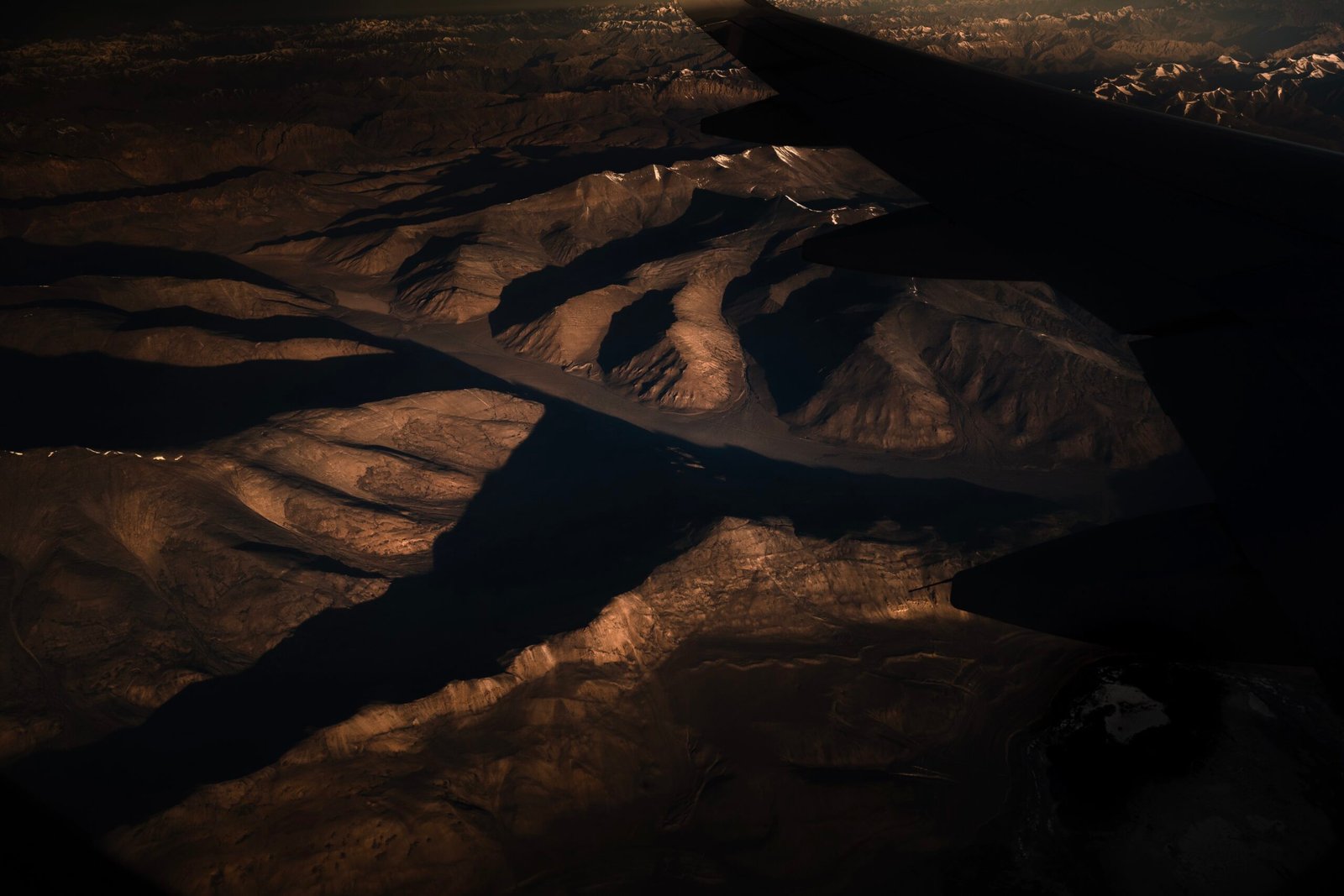
After breakfast, a short transfer brings us to Leh Airport and our flight back to Delhi — a flight worth staying awake for, as the aircraft climbs out over the same Himalayan ranges we have spent twelve days moving through on the ground. This marks the close of the Apricot Blossom Photography Workshop.
If possible, book a late flight rather than an early one — it gives you a margin against delays.
Important Information
Inclusions
- Single supplement for a single night in a 4/5-star luxury hotel in Delhi upon arrival (9th April 2027) with breakfast.
- All single-supplement accommodations for the rest of the tour ( This includes hotels, homestays and well-furnished camps, which are to be decided).
- Flight from Delhi to Leh and Leh to Delhi.
- All land transportation during the expedition will be in comfortable SUVs.
- All meals with non-alcoholic drinks.
- Gratuities for Interactive sessions with Locals.
- All activities incurring any expense.
- 1-on-1 field tuition and assistance by Shivam.
Exclusions
- India SIM Card.
- International flights.
- Airport tax or charges for check-in luggage more than 15kgs (where applicable).
- Entry Visa.
- Comprehensive Travel Insurance.
- Incidental tips (baksheesh) paid to our drivers, hotel staff, etc.
- Alcoholic drinks.
- Personal expenses, eg. laundry, medication, snacks.
- Any additional transport outside of expedition routes.
VISA Information
• Most travellers will need a tourist visa to enter India. Many nationalities are eligible for an e-Visa, which can be easily applied for online before arrival.
• If you’re unsure about your visa requirements, please check the official guidelines or reach out. We’re happy to assist.
• For more information on visas, [click here].
FAQs
Do I need to know photography before joining?
Not at all. This workshop is designed for everyone—whether you’re picking up a camera for the first time or already have years of experience. A mixed group makes the journey richer, as we learn, exchange ideas, and inspire one another. If you’re new, I’ll help you understand the essentials of handling your camera.
What equipment should I carry?
Once you’ve secured your booking, we’ll share a detailed checklist of suggested gear. But remember—any camera will do. What matters is how you see and capture the world. We’ll also provide personal advice based on your level, whether you’re starting out or shooting professionally.
Can I cancel if I change my mind?
Please review our [Terms & Conditions] for cancellation policies.
Will I get help with travel requirements?
Of course! Before the trip, you’ll receive a full briefing with clear instructions on the documents and preparations needed for smooth and hassle-free travel.
Testimonials